

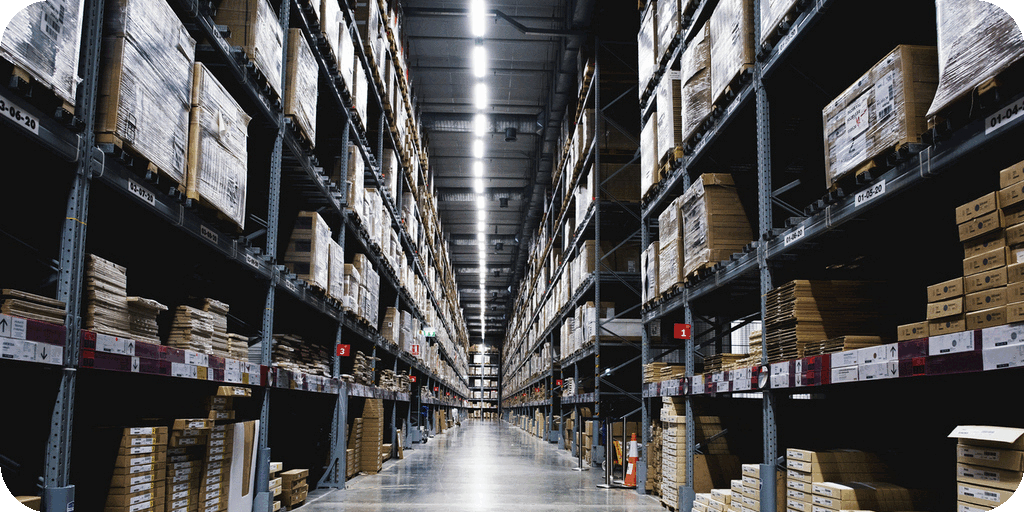
50 Largest Warehouses in the UK: Inside the Country’s Biggest Distribution Centres
When it comes to logistics, scale matters. The 50 largest warehouses in the UK play a critical role in keeping retail, manufacturing, and e-commerce supply chains moving.
28 JANUARY 202650 Largest Warehouses in the UK: Inside the Country’s Biggest Distribution Centres
When it comes to logistics, scale matters. The 50 largest warehouses in the UK play a critical role in keeping retail, manufacturing, and e-commerce supply chains moving.
When it comes to logistics, scale matters. The 50 largest warehouses in the UK play a critical role in keeping retail, manufacturing, and e-commerce supply chains moving — from next-day delivery networks to international port operations.
Using commercial property and business rates data, we’ve analysed some of the largest distribution centres and logistics hubs in the country, highlighting where they are, who operates them, and why they matter to the UK economy.
This list is only a small sample of the commercial landscape. Doorda tracks over 3 million commercial locations, all linked to registered companies, making it one of the largest providers of commercial property data for logistics, insurance, site planning, and risk assessment.
What Qualifies as One of the Largest Warehouses?
The warehouses in this list are ranked by rateable floor area, a standard UK metric used for business rates valuation. All sites fall into the category of:
- Large distribution warehouses
- Often exceeding 200,000 square metres
- Typically serving as:
- National fulfilment centres
- Retail distribution hubs
- Port-side logistics terminals
These are not local depots — they are strategic infrastructure assets supporting national and international trade.
Who Operates the UK’s Biggest Warehouses?
A clear pattern emerges from the data: the largest warehouses are dominated by major retailers, e-commerce platforms, and logistics operators.
Among the top occupiers in the dataset:
- Next Holdings Limited — multiple mega-warehouses serving national retail distribution
- Amazon UK Services Ltd — large fulfilment centres supporting same-day and next-day delivery
- Sports Direct (Frasers Group) — centralised distribution for nationwide retail networks
- Port and terminal operators — massive logistics sites near Thames and estuary corridors
This reflects the growing importance of:
- Centralised fulfilment models
- High-throughput logistics hubs
- Automation-ready warehouse design
Where Are the Largest Distribution Centres Located?
The biggest warehouses are not evenly spread across the UK. Instead, they cluster around key logistics corridors:
Midlands Logistics Belt
Often called the “Golden Triangle,” this area benefits from:
- Motorway access (M1, M6, M42)
- Central reach to most UK population centres
- Heavy investment in mega-sheds and industrial parks
Port and Estuary Zones
Several of the largest sites are located near:
- Thames Gateway
- Deep-water port terminals
- Import/export consolidation zones
These warehouses serve as intermodal transfer points, linking shipping, road, and sometimes rail freight.
Regeneration Industrial Parks
Former manufacturing regions are being regenerated and are now home to:
- Purpose-built logistics parks
- Multi-tenant distribution campuses
- Automated storage and retrieval systems (ASRS)
Why Do Mega-Warehouses Matter for Business and Planning?
Understanding where the largest warehouse locations are — and who occupies them — is essential for:
- Supply chain planning
- Commercial real estate investment
- Risk modelling and insurance
- Infrastructure development
- Location intelligence and market analysis
Large distribution centres also act as employment anchors, often supporting thousands of jobs directly and indirectly.
This Is Just a Sample: How Doorda Maps Commercial Property at Scale
While this article focuses on the 50 largest warehouses, they represent only a fraction of the total logistics and commercial property ecosystem.
Doorda is one of the largest providers of commercial property and business location data, tracking:
- Over 3 million commercial locations
- All linked to registered companies
- With attributes such as:
- Industry classification
- Site function (warehouse, retail, office, industrial)
- Deprivation risk factors
- Business activity indicators
This allows insurers, lenders, logistics planners, and site selection teams to move beyond anecdotal market knowledge and use data-driven commercial location intelligence.
In practice, the largest warehouses are often just the visible tip of much deeper operational networks.
Final Thoughts: Scale Is Only One Part of the Logistics Story
Mega-warehouses dominate headlines, but logistics networks depend just as much on:
- Mid-sized regional depots
- Urban last-mile fulfilment centres
- Specialised industrial sites
That’s why broad commercial datasets — not just headline-grabbing mega sites — are essential for understanding how goods actually move through the economy.
If you’re analysing logistics exposure, expansion opportunities, or market coverage, focusing only on the largest warehouses can miss critical operational links in the chain.
Want to Access all the Data?
The companies that thrive on data are those that make smarter decisions, faster. Unlock the intelligence behind one of the UK’s largest property datasets and see how our data, tools, and AI chatbots can turn insight into opportunity for your business.
Book a Demo